Stagnant indoor air and fluctuating moisture levels silently aggravate respiratory conditions in older adults, but strategically selected foliage offers a dual solution for purification and natural humidity regulation. By integrating specific botanical companions into your space, you actively filter volatile organic compounds while mitigating the dry air that triggers winter coughs. Indoor humidity often plummets below the recommended forty percent during heating season, which strips your respiratory tract of its defensive mucus layer. Fortunately, the gentle transpiration process of robust houseplants releases clean water vapor directly into your environment. You hold the power to transform an arid, uncomfortable room into a balanced, breathable sanctuary simply by introducing the right greenery to your daily surroundings.
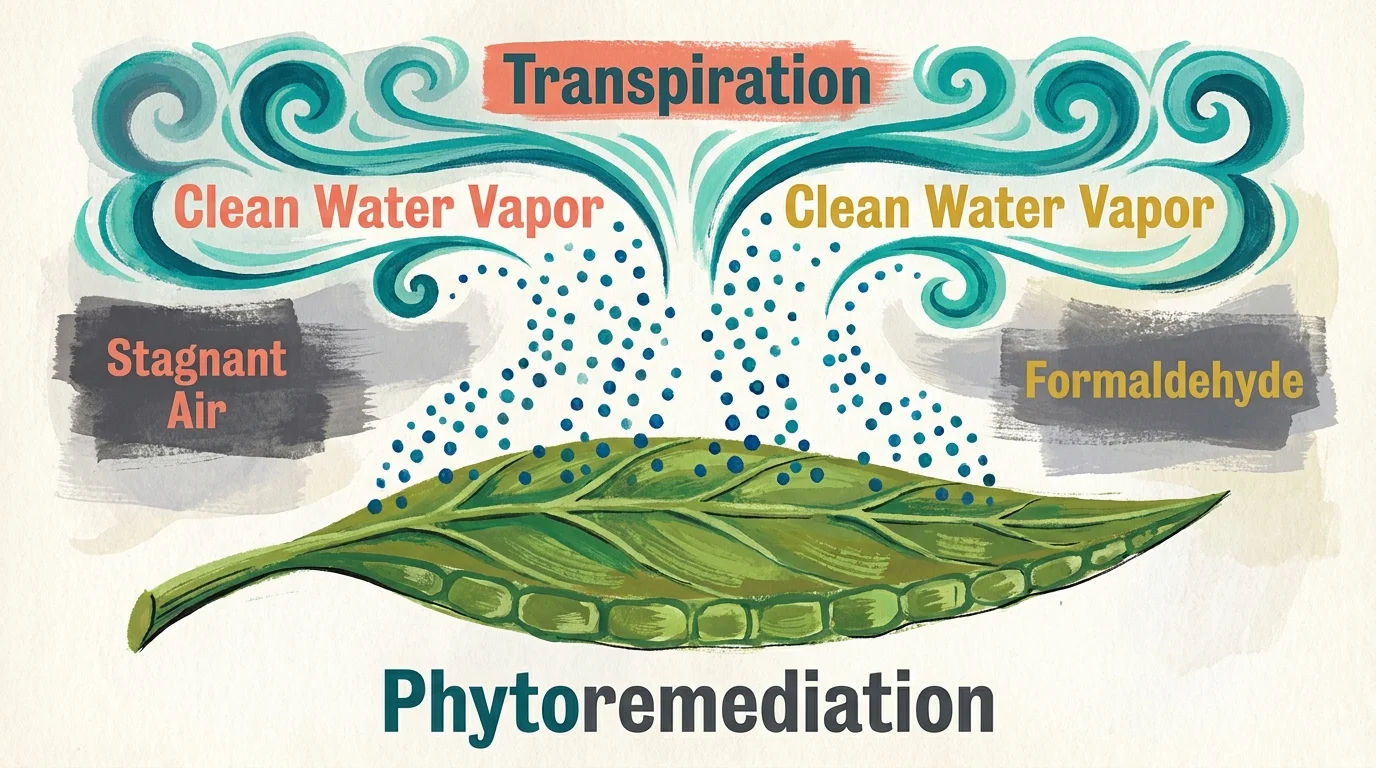
The Science of Transpiration and Indoor Air Quality
Indoor environments act as sealed boxes; they trap everything from cooking odors and pet dander to volatile organic compounds emitted by synthetic building materials. As modern homes become more energy-efficient and airtight to reduce utility bills, this lack of natural ventilation significantly diminishes indoor air quality. For older adults, breathing poor indoor air directly impacts cardiovascular and respiratory health, frequently worsening preexisting conditions like asthma or chronic bronchitis. The Environmental Protection Agency provides extensive guidance on indoor air quality, emphasizing that appropriately balanced environments prevent the exacerbation of these severe respiratory issues.
Houseplants intervene in this cycle of stagnant air through two distinct biological mechanisms: phytoremediation and transpiration. Phytoremediation occurs when plant roots and leaves absorb chemical pollutants, pulling them out of your breathing zone and metabolizing them into harmless byproducts. Simultaneously, transpiration tackles the physical comfort of the air. When you heat your home in the winter, the relative humidity drastically plummets, creating an unnaturally arid environment that dries out your mucous membranes. Dry mucous membranes quickly lose their ability to trap airborne viruses and bacteria, leaving your immune system vulnerable. By utilizing the natural transpiration of carefully selected houseplants, you introduce a steady, hygienic source of water vapor back into your home. This biological process softens the air, reduces electrostatic shocks, and restores the vital defensive capabilities of your respiratory tract.
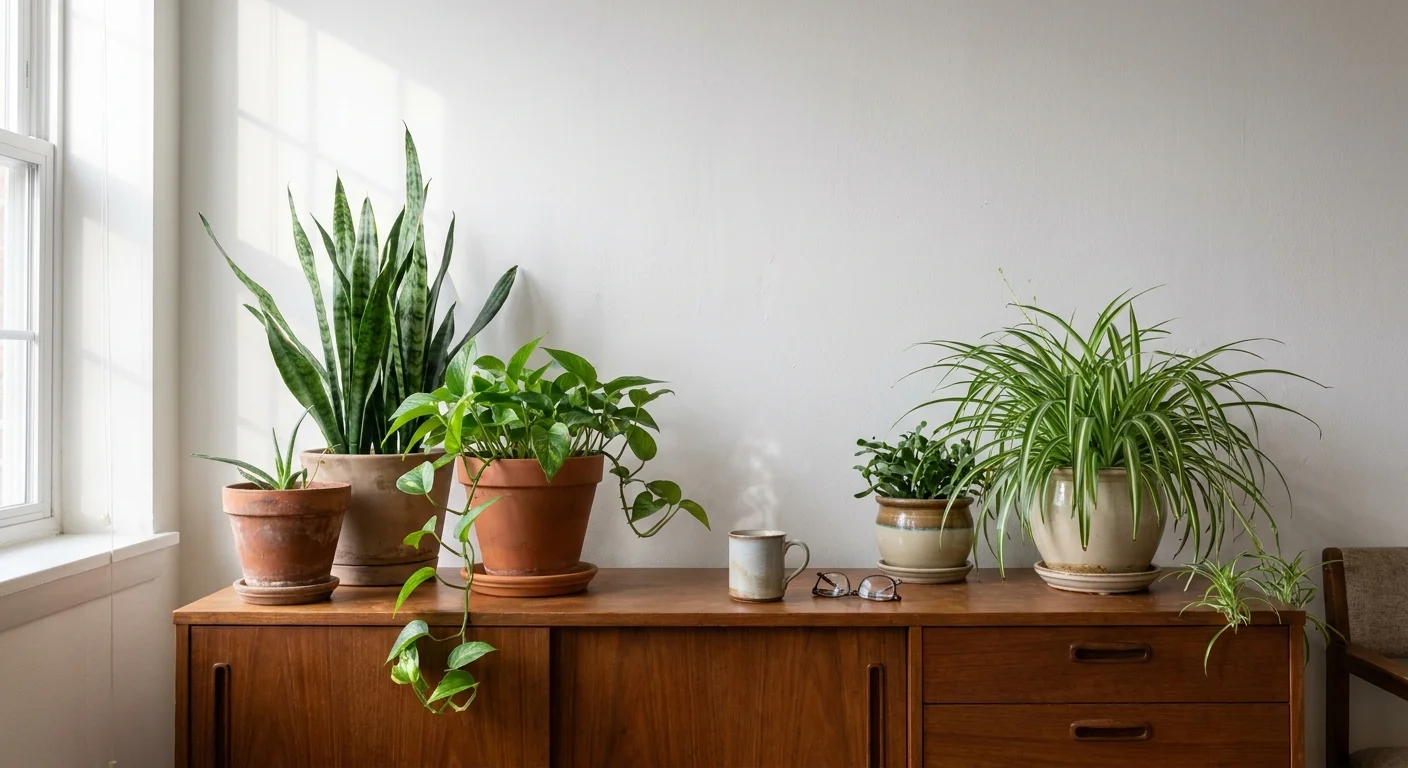
7 House Plants That Naturally Improve Indoor Air Quality for Seniors
Selecting the right greenery requires balancing air-purifying capabilities with manageable care routines. The following seven plants offer exceptional respiratory benefits without demanding strenuous physical labor or complicated maintenance schedules.
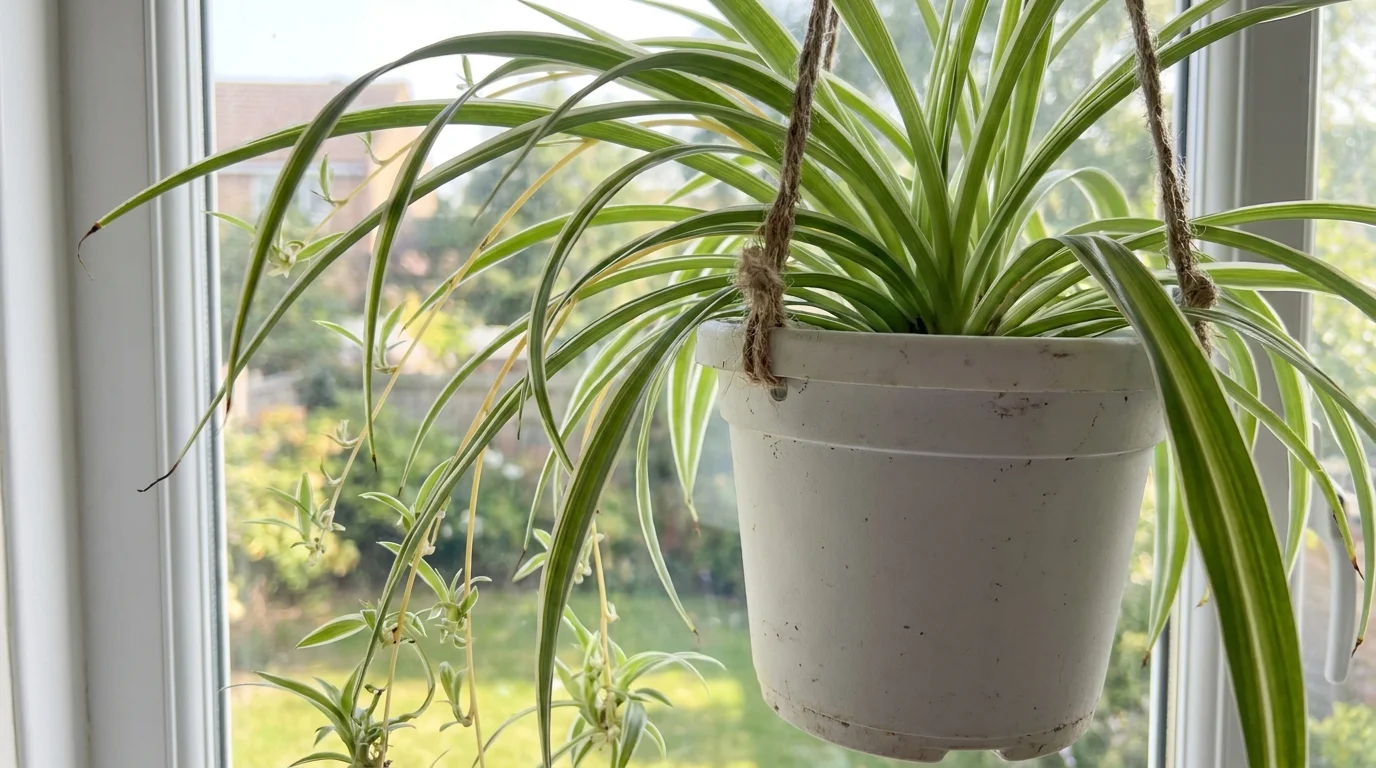
The Resilient Spider Plant
Spider plants serve as one of the most forgiving and effective natural air purifiers available for indoor environments. As an older adult seeking low-maintenance greenery, you will appreciate how rarely this resilient species requires repotting or intensive pruning. Spider plants aggressively combat indoor air pollution by metabolizing formaldehyde and xylene—dangerous chemicals frequently off-gassed by synthetic carpets, furniture adhesives, and common household cleaning products. Regarding humidity management, these plants boast a remarkably robust transpiration rate. When you thoroughly water a spider plant, it drinks deeply and then continuously exhales moisture through its long, arching leaves. This steady release of clean water vapor gently elevates the ambient humidity in dry, overly heated rooms. You can easily hang a lightweight plastic pot near a brightly lit window, keeping the plant safely out of the way of walking paths while it silently conditions your indoor air.
The Nighttime Workhorse Snake Plant
Most botanical life absorbs carbon dioxide exclusively during the day, but the architectural snake plant flips this biological script entirely. Utilizing a specialized biological cycle, this striking plant absorbs carbon dioxide and releases fresh oxygen throughout the night. Placing a snake plant directly in your bedroom provides a continuous supply of clean air while you sleep, directly supporting deeper rest and better respiratory function. Seniors particularly benefit from the snake plant because it thrives on absolute neglect; you only need to water it once every few weeks. Because it stores water in its thick, sword-like leaves, its transpiration rate remains exceptionally low compared to leafy ferns. This low-moisture profile makes the snake plant an ideal choice for homes that already battle high baseline humidity levels or struggle with excessive window condensation during colder months.
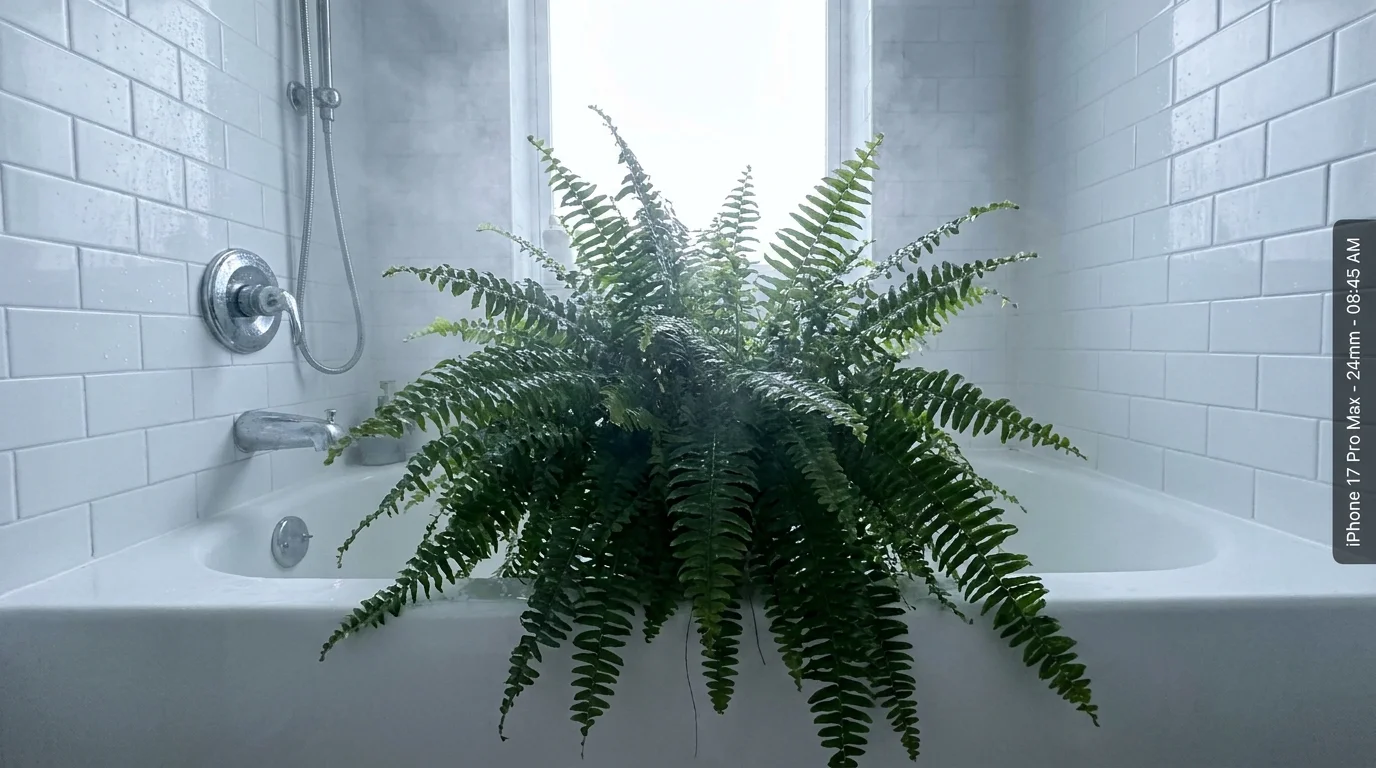
The Thirsty Boston Fern
If your home feels uncomfortably dry and static electricity constantly shocks your fingertips, the Boston fern offers an incredibly elegant biological solution. Ferns naturally evolved in damp, shaded forest floors, meaning they demand consistent moisture to survive and subsequently release massive volumes of water vapor into your living space. By hanging a Boston fern in a dry living room, you essentially install a natural, silent humidifier that also actively filters out volatile organic compounds. However, this high transpiration rate requires you to stay diligent with your watering routine. To minimize the physical strain of carrying heavy watering cans, you can place the fern in a lightweight resin pot and utilize a long-spouted watering wand. When properly hydrated, the Boston fern transforms harsh, dry air into a soothing, breathable atmosphere that prevents your throat and nasal passages from drying out overnight.
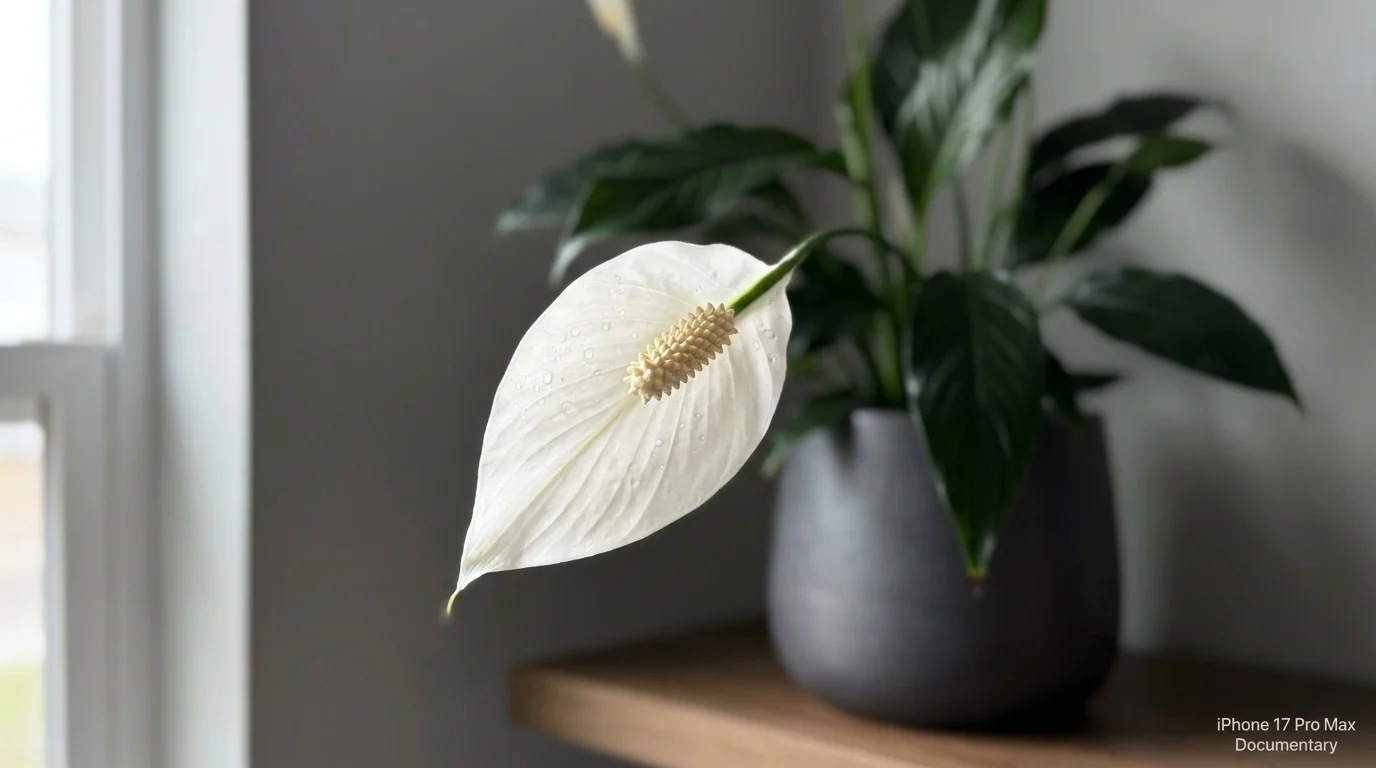
The Elegant Peace Lily
The peace lily commands immediate visual attention with its dark, glossy foliage and striking white spathes, but its true value lies in its exceptional air-scrubbing capabilities. You can rely on this robust plant to target harsh industrial chemicals like trichloroethylene and benzene, which frequently linger in older or poorly ventilated homes. For older adults managing asthma or chronic obstructive pulmonary disease, removing these invisible chemical triggers proves absolutely essential for daily comfort. Peace lilies also communicate their physiological needs clearly by dramatically drooping their leaves when thirsty, completely eliminating the frustrating guesswork of watering schedules. Because they actively transpire moisture into the room, they help maintain a comfortable relative humidity that soothes irritated airways. You must simply ensure the surrounding air circulates adequately, as stagnant moisture accumulating around the dense base of a peace lily can occasionally invite minor fungal growth on the topsoil.
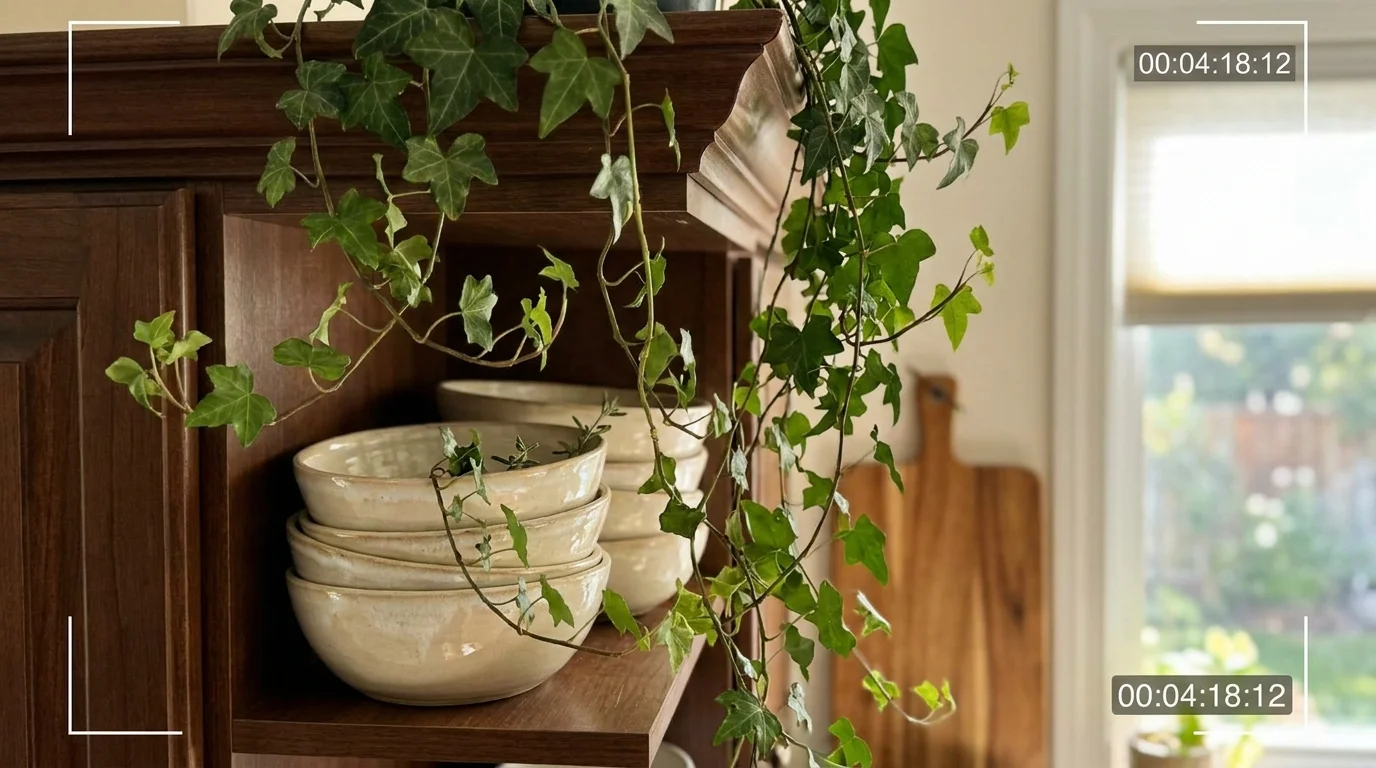
The Versatile English Ivy
English ivy presents a highly unique defense mechanism against airborne biological pollutants, making it a highly strategic addition to a senior living environment. Research consistently demonstrates that trailing ivy effectively reduces airborne mold spores and fine particulate matter, actively cleaning the air before those irritating particles enter your sensitive respiratory system. You can easily train English ivy to climb a small trellis or cascade gracefully down a high bookshelf, utilizing vertical space without cluttering valuable floor areas or creating tripping hazards. From a moisture perspective, English ivy maintains a perfectly balanced transpiration rate that lightly humidifies the room without creating a damp, heavy atmosphere. You will find that occasional, light pruning keeps the vines manageable and stimulates fresh, vigorous foliage growth. By strategically placing a pot of ivy near an air return vent, you can help distribute its freshly filtered, slightly humidified air throughout your entire home.
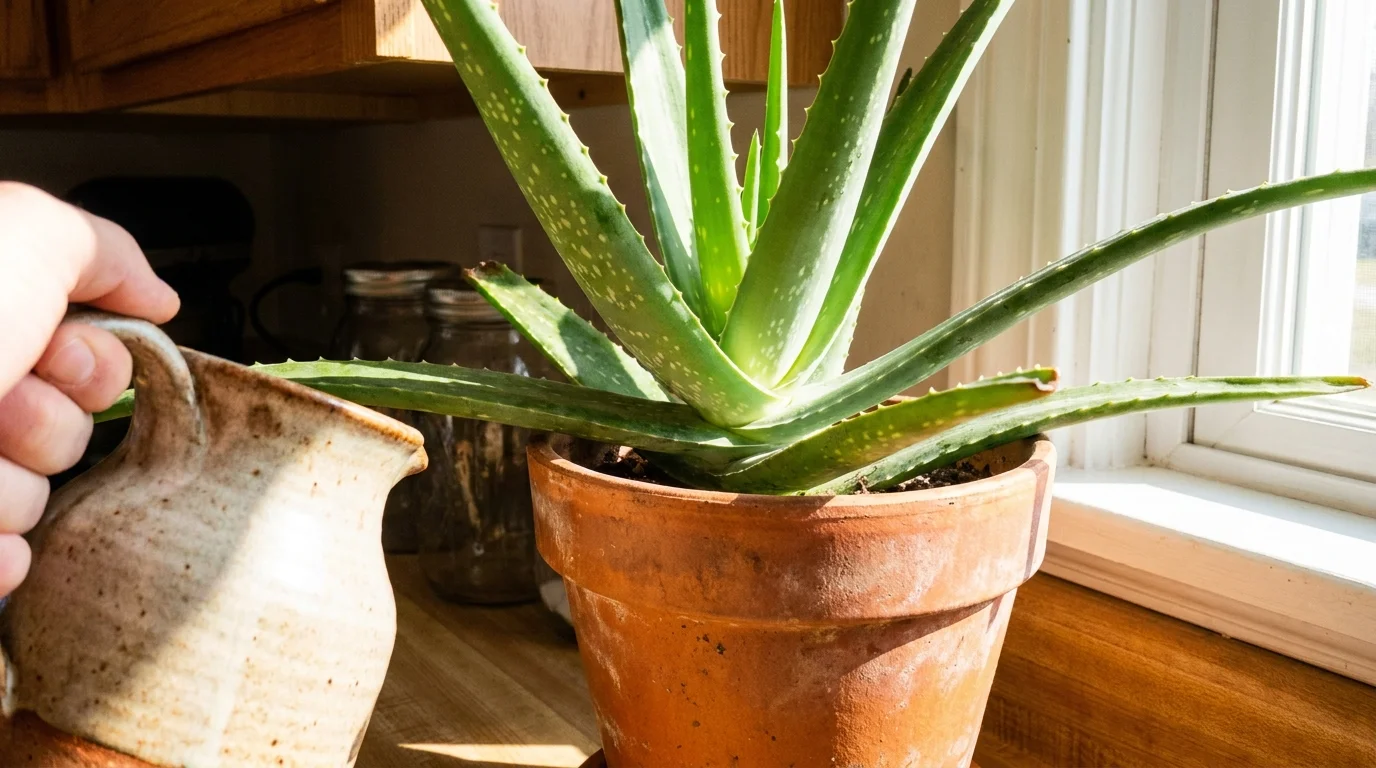
The Soothing Aloe Vera
Aloe vera serves a brilliant dual purpose in any household, acting as both a visual environmental monitor and a convenient natural remedy for minor skin irritations or kitchen burns. This thick, fleshy succulent stores substantial amounts of water internally, which means it rarely needs watering and produces virtually zero excess humidity. If you live in a notoriously damp climate where you already run a mechanical dehumidifier, aloe vera provides excellent air purification without contributing unwanted water vapor to the room. Furthermore, aloe vera plants act as highly sensitive early warning systems for poor indoor air quality; their bright green leaves will rapidly develop dark brown spots when exposed to excessive amounts of harmful airborne chemicals. Keeping a small, lightweight pot of aloe vera on a sunny kitchen windowsill requires almost zero physical effort, yet it constantly works to absorb benzene and formaldehyde released by gas stoves and modern chemical detergents.
The Indestructible Golden Pothos
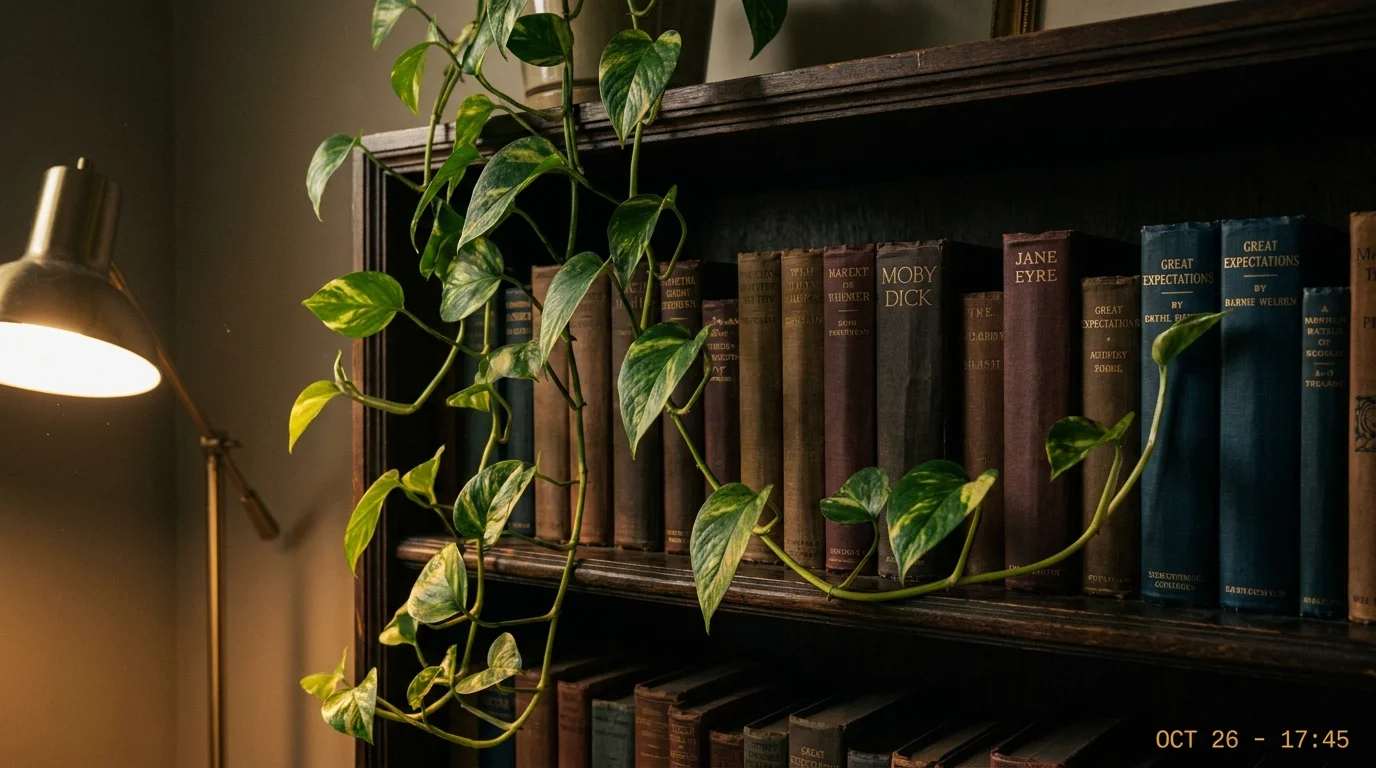
When you want maximum air-purifying benefits with the absolute lowest possible risk of failure, the golden pothos simply cannot be matched by any other species. This aggressively trailing vine survives in nearly any interior lighting condition, from bright sunrooms to dimly lit hallways, making it exceptionally versatile for seniors living in compact apartments or shaded, heavily wooded homes. The golden pothos aggressively absorbs carbon monoxide and formaldehyde, efficiently purifying stagnant indoor air while maintaining a moderate, predictable transpiration profile. You can safely allow the soil to dry out completely between waterings, which dramatically reduces the physical burden of daily plant care and practically eliminates the risk of soil-borne mold. As the pothos slowly transpires, it adds a gentle, highly balanced amount of moisture to the immediate environment. You can effortlessly propagate new plants from simple stem cuttings in a glass of water, allowing you to multiply your natural air filters without spending additional money at the local garden center.
Three Strategic Pillars for Balancing Botanical Humidity
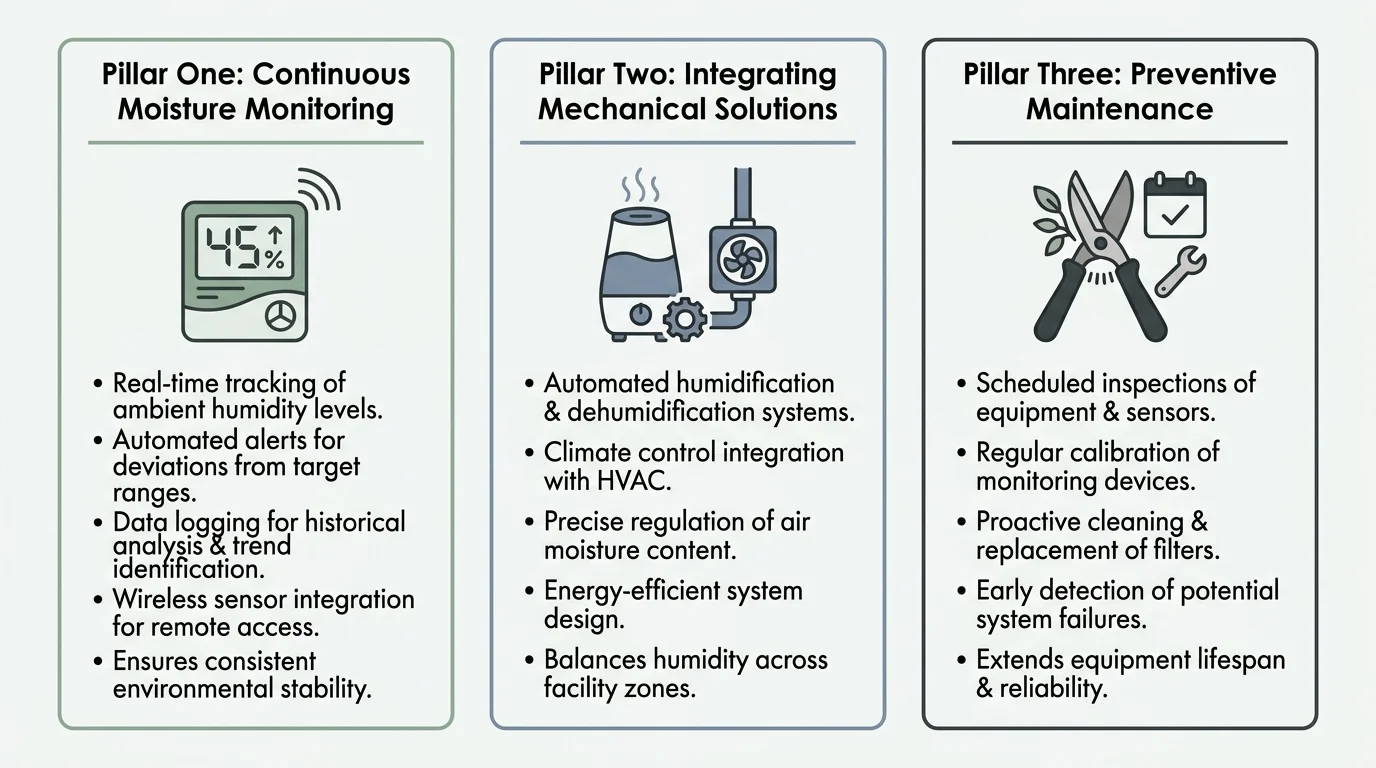
While plants significantly enhance indoor air quality, they represent just one part of a comprehensive respiratory health strategy. To maximize their benefits without accidentally creating an overly humid environment, you must implement three foundational management pillars.
Pillar One: Continuous Moisture Monitoring
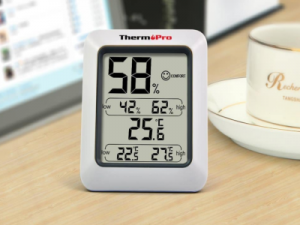
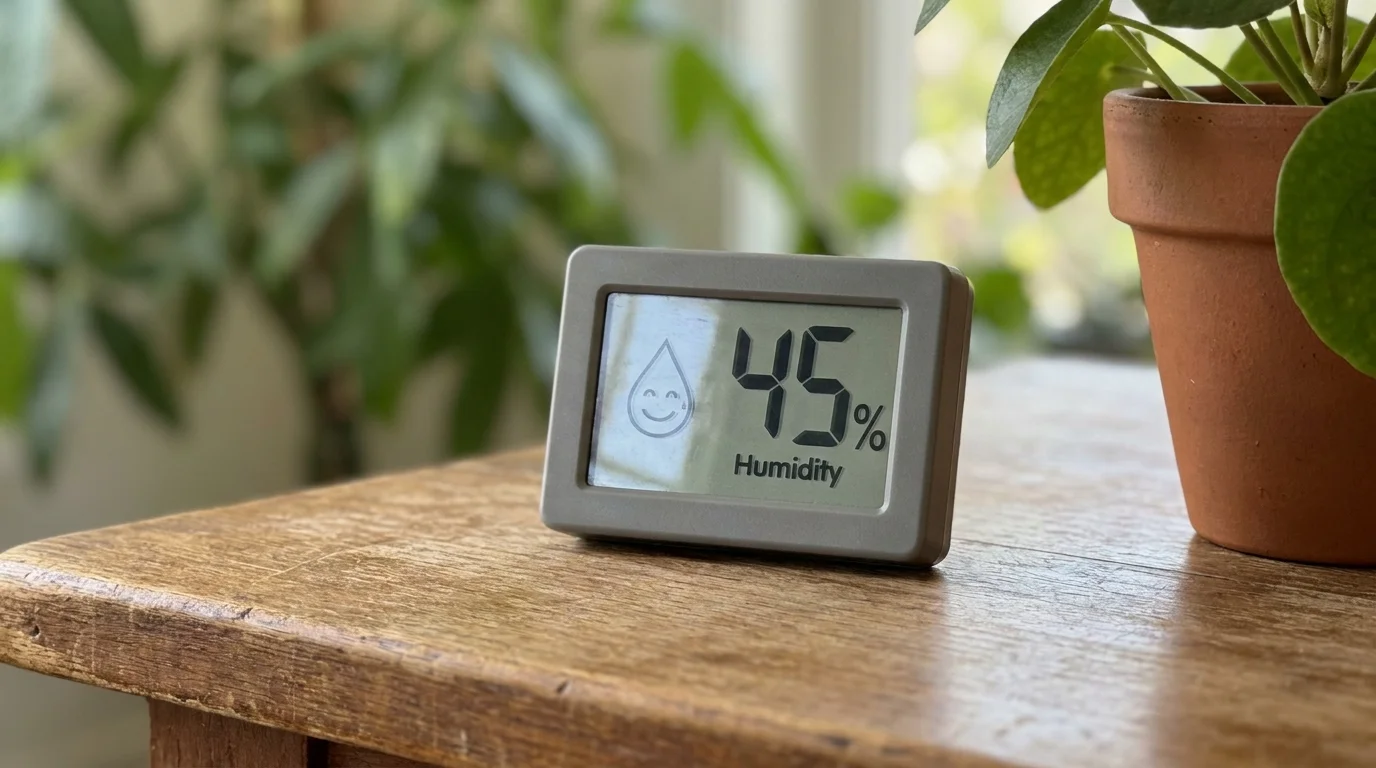
You cannot effectively manage what you do not measure. Relying on physical sensations to judge indoor humidity frequently leads to inaccurate conclusions, particularly for older adults whose skin and temperature sensitivity naturally shifts with age. You need to purchase a digital hygrometer to track your indoor relative humidity accurately. Place this small, inexpensive device in your primary living space, keeping it away from direct sunlight, air vents, and the plants themselves. Your goal is to maintain a steady humidity reading between thirty and fifty percent. If the gauge drops below thirty percent, your plants will work overtime to add moisture; if it climbs above fifty percent, you may need to scale back your watering frequency.
Pillar Two: Integrating Mechanical Solutions
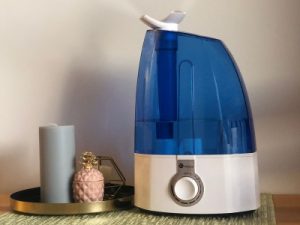
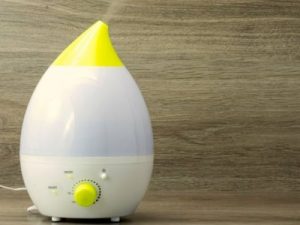
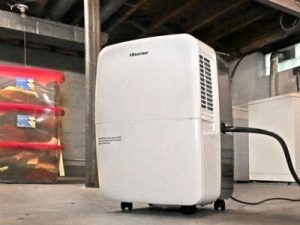
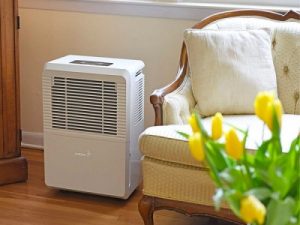
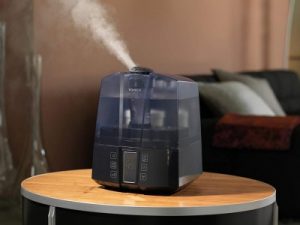
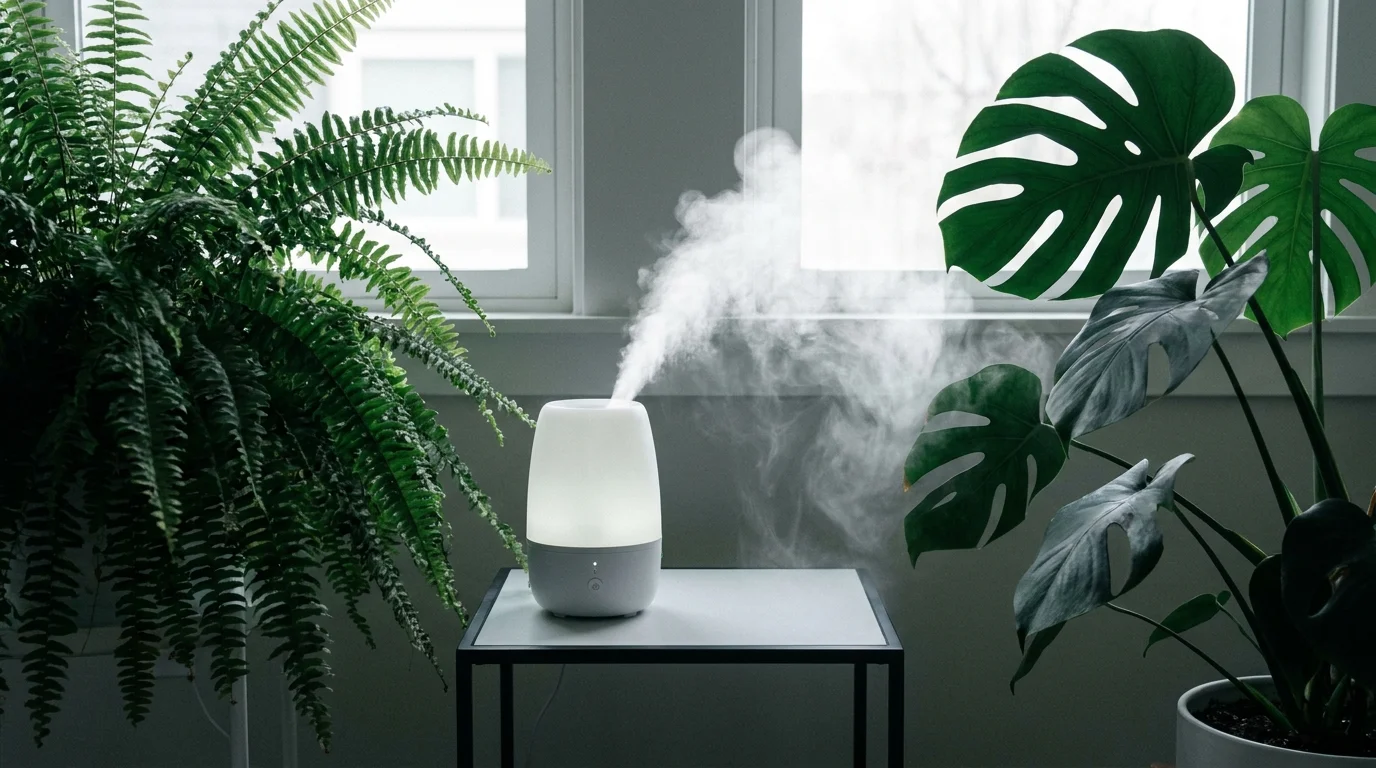
You cannot rely solely on houseplants to fix a severely compromised indoor environment; they simply lack the volume required to outpace major structural humidity issues. During excessively humid summer months, plant transpiration can actually push your indoor moisture levels past the comfortable fifty percent threshold. When this occurs, you must utilize Energy Star certified dehumidifiers to mechanically extract excess moisture from the air. Conversely, during bitter winter months, your central heating system might dry out the air faster than your ferns and spider plants can replenish it. In these extreme scenarios, integrating a clean, well-maintained mechanical humidifier alongside your botanical collection provides the perfect, layered defense for your respiratory system.
Pillar Three: Preventive Maintenance
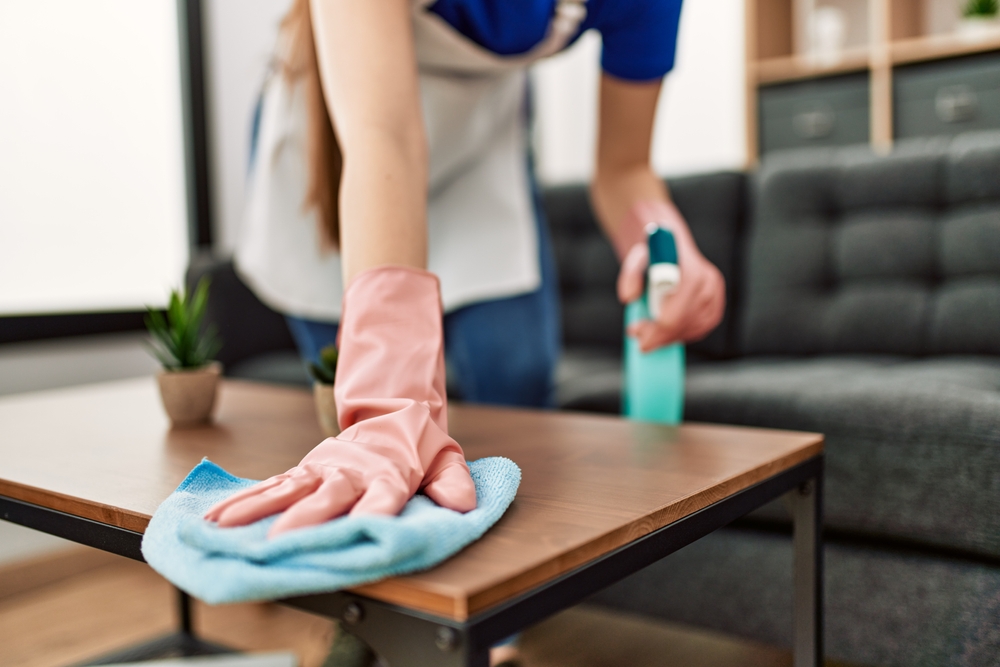
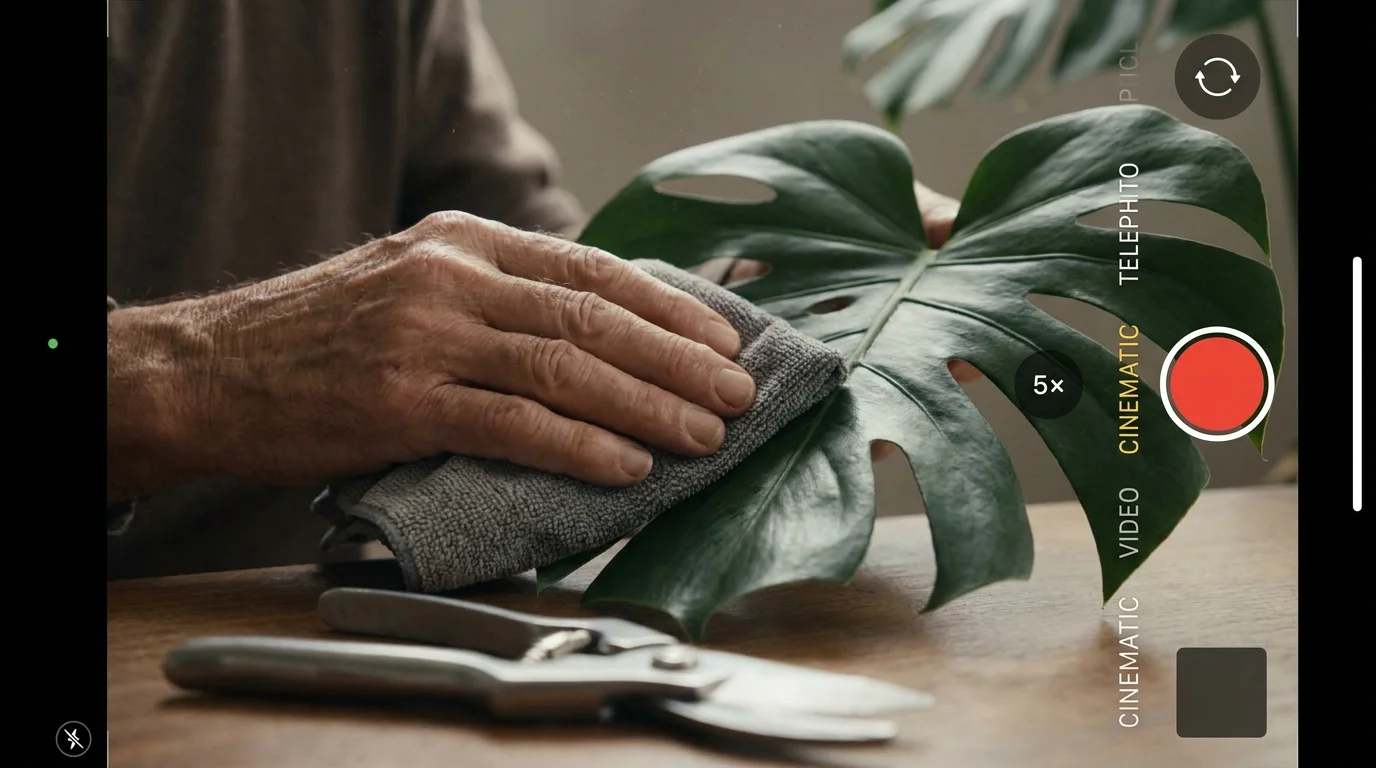
The health of your indoor air directly correlates to the health of your potting soil. Overwatering remains the single most common mistake indoor gardeners make, and it introduces massive risks to senior health. When soil stays perpetually soaked, root rot develops, which inevitably breeds harmful fungal spores. As these invisible spores release into the air, they completely negate the air-purifying benefits of the plant and trigger severe allergic reactions. Always use well-draining potting soil mixed with perlite, ensure every pot has adequate drainage holes at the bottom, and rigorously empty excess water from the saucer trays thirty minutes after watering. Furthermore, wipe dust off your plant leaves with a damp cloth once a month; a dusty leaf cannot effectively absorb toxic volatile organic compounds.
Expert Perspectives on Plants and Air Quality
Building scientists and certified indoor environmental consultants routinely emphasize that biological solutions must complement, rather than replace, primary ventilation strategies. Fulfilling the rigorous guidelines published by the American Society of Heating, Refrigerating and Air-Conditioning Engineers requires a holistic approach to air management. As veteran HVAC specialists frequently explain to their residential clients, you cannot expect a single potted fern to fix a severely broken central ventilation system. However, integrating a strategic indoor garden absolutely transforms the baseline comfort and breathability of a well-maintained home. Geriatric physicians echo this exact sentiment, noting that patients who actively tend to indoor plants not only show improvements in their ambient respiratory environments but also experience measurable reductions in daily stress and anxiety levels.

Safety and Caution for Indoor Gardeners
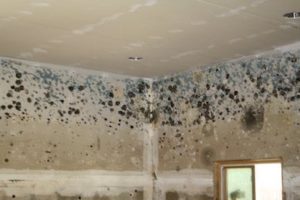
While cultivating an indoor garden offers massive benefits, you must remain vigilant regarding potential biological hazards. Fungus gnats thrive in overly wet topsoil, creating a highly frustrating nuisance in senior living spaces. You can easily prevent these pests by allowing the top two inches of your potting soil to dry out completely before watering again. Additionally, you must watch your windows for excessive condensation during cold weather. If water heavily beads up on the inside of your window panes, your indoor humidity has climbed too high, creating a prime breeding ground for toxic black mold around the wooden sills. Following the Centers for Disease Control and Prevention recommendations on mold prevention ensures that your natural air purifiers never inadvertently become biological hazards.
Frequently Asked Questions
Do indoor plants attract unwanted household pests?
Healthy, properly managed indoor plants rarely attract pests. However, overwatering your plants creates a damp environment that acts as a magnet for fungus gnats and spider mites. You can prevent almost all pest infestations by ensuring your pots have excellent drainage, emptying water catch-trays immediately, and occasionally treating the soil surface with a natural neem oil solution if you spot tiny insects hovering near the leaves.
Can indoor foliage plants trigger seasonal allergies for seniors?
Unlike outdoor flowering trees and weeds that release massive clouds of airborne pollen, the indoor foliage plants recommended for air purification rarely blossom or produce pollen indoors. Plants like the snake plant and golden pothos rely entirely on vegetative growth. Unless you have a specific topical allergy to plant sap—such as the latex found in some ficus varieties—these leafy companions will actively soothe respiratory allergies rather than trigger them.
How many plants do I actually need to notice a difference in air quality?
The American Lung Association resources on indoor air pollutants highlight that source control is your first line of defense, but plants absolutely help bridge the gap. As a general practical rule, introducing one medium-sized, highly active plant per one hundred square feet of living space provides a measurable improvement in chemical filtration and humidity regulation. Placing three to four well-maintained spider or snake plants in a standard-sized living room creates a highly effective botanical air-cleaning zone.
What should I do if my potted plants make the room smell musty?
A musty odor indicates that fungal decay has begun deep inside your potting soil, usually due to poor drainage or chronic overwatering. You must take this seriously, as mold severely degrades indoor air quality. Immediately move the offending plant outside or to a garage, discard the sour soil, trim away any black, mushy roots, and repot the plant in fresh, highly porous soil. Moving forward, significantly reduce your watering frequency for that specific plant.
Take Charge of Your Indoor Air Today
You do not need a green thumb to drastically improve your living environment; you simply need the right tools and the right botanical companions. Within the next twenty-four hours, take one decisive step toward better respiratory health. Order a digital hygrometer to discover exactly how dry or damp your living room truly is, or pick up a resilient spider plant from your local nursery. By actively managing your indoor air today, you ensure a significantly more comfortable, breathable, and vibrant home tomorrow.